An invisible zipper is designed to sit discreetly in a seam, so the closure is far less visible from the outside of the finished product. It is widely used in dresses, skirts, trousers, cushion covers and other soft goods where a clean appearance matters.
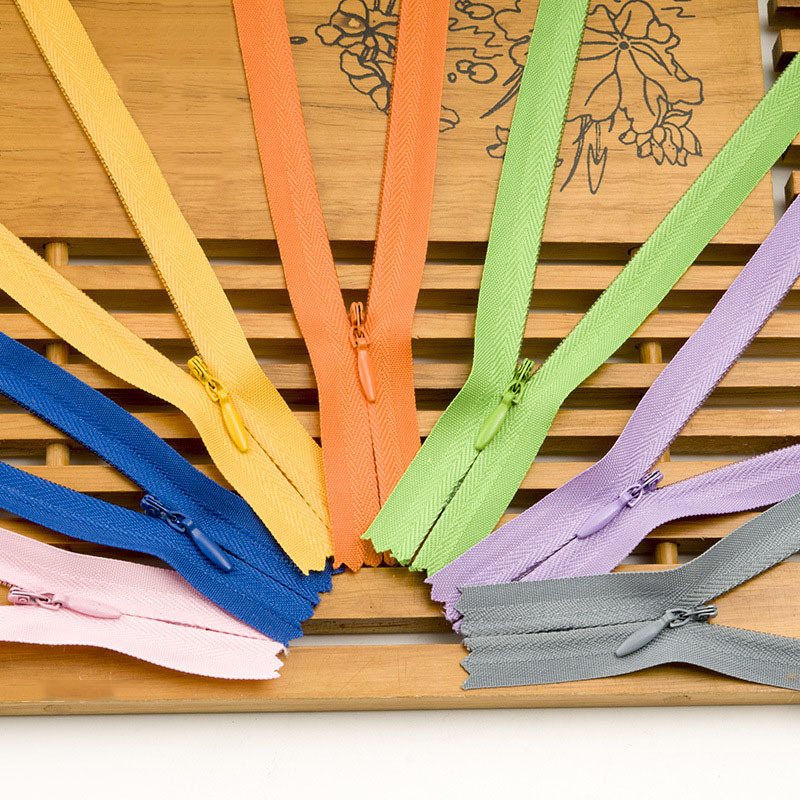
What makes a zipper “invisible”?
With an invisible zipper, the coil sits on the reverse side of the tape after sewing. When the zipper is closed and installed correctly, the seam conceals the coil and leaves only the slider pull visible at the opening. This construction gives dresses and fitted garments a neat, uninterrupted surface.
An invisible zipper is not simply a standard nylon coil zipper turned over. Its coil profile, tape and slider are designed for this particular installation. For reliable sewing and smooth closing, match the zipper type to the intended seam construction.
Choose the zipper size for the product
Smaller invisible constructions are commonly used for lightweight dresses, skirts, blouses, cushion covers and similar products. The appropriate size depends on fabric weight, opening length, repeated-use expectations and the stress placed on the seam.
A delicate evening dress and a large cushion cover may both need a hidden closure, but they do not place the same load on the zipper. Share the product type and fabric details when requesting a recommendation rather than selecting by size number alone.
Confirm the finished length and end construction
Most invisible zippers for apparel and soft furnishings are closed-end. The zipper is cut and secured for a defined opening length, while the remaining seam is sewn below the zipper. For custom development, state the finished zipper length rather than only the fabric panel size.
Some applications use a longer zipper to make dressing or cushion-cover removal easier. The usable opening, top clearance for the slider and sewing allowance should all be checked on the sample.
Color matching: tape, coil and fabric
Because the zipper is intended to disappear into the seam, tape color is especially important. Send a physical fabric swatch, approved color standard or clear color reference whenever possible. Screen images are useful for discussion but cannot fully replace an approved sample.
Consider the color from both sides of the garment. On lighter or semi-sheer fabrics, the tape can affect the visible result even when it is hidden inside the seam. Sample sewing is the best way to approve the final match.
Slider and puller details
Invisible zippers use compatible slider bodies that run smoothly over the coil profile. The slider is usually small and unobtrusive, but puller shape and finish can still affect how the garment feels at the neckline, side seam or back opening.
If the zipper will be used near bare skin, in a fitted garment or on a premium product, request a sample to check movement, clearance and comfort. A decorative puller should not interfere with the seam or catch on delicate fabric.
Common applications
- Back and side openings on dresses, skirts and formalwear
- Trousers and lightweight garment closures
- Cushion covers, pillow covers and soft home textiles
- Cosmetic pouches and small textile accessories where a hidden seam is preferred
For bags, luggage or high-load outdoor equipment, a standard nylon coil, plastic molded or metal zipper is often more suitable. The choice should follow the required load and opening behavior.
Information to send for an accurate quote
- Product application and fabric type
- Required finished zipper length
- Closed-end or other requested construction
- Color reference for tape and coil
- Slider/puller requirement and branding details
- Expected order quantity and packaging requirement
A photo of the garment opening, technical drawing or existing sample makes it easier to confirm the right construction before sampling.